Buy egry.eu ?
We are moving the project
egry.eu .
Are you interested in purchasing the domain
egry.eu ?
domain@kv-gmbh.de · 0541-91531010
Buy egry.eu ?
What is a sensory processing disorder?
A sensory processing disorder is a condition in which the brain has difficulty receiving and responding to information that comes in through the senses. This can result in an individual being over-sensitive or under-sensitive to sensory input, leading to difficulties in regulating emotions, behavior, and responses to stimuli. People with sensory processing disorders may have challenges with everyday activities and may benefit from therapy and interventions to help them better process sensory information. **
Does anyone know about sensory processing issues in autism and know where to find information about it?
Yes, sensory processing issues are common in individuals with autism. These issues can involve heightened sensitivity or decreased sensitivity to sensory stimuli such as touch, sound, taste, or smell. To find more information about sensory processing issues in autism, you can consult reputable sources such as the Autism Society, Autism Speaks, or the Sensory Processing Disorder Foundation. Additionally, speaking with healthcare professionals or therapists who specialize in autism and sensory processing can provide valuable insights and resources. **

Similar search terms for Sensory processing
Top-Angebote
Products related to Sensory processing:
-
Multisell Products Hub Waterproof Compass Watch With Luminous Dial For Hiking Camping Survival Gear Waterproof Compass Watch With Luminous Dial For Hiking Camping Survival GearWhen youre out in the wild, confidence comes from knowing your direction at all times. This compass watch combines rugged reliability with everyday wearability, giving adventurers a simple yet powerful navigation tool right on their wrist. Designed...44,97 $*Shipping: 0,00 $Secure redirect to the provider
-
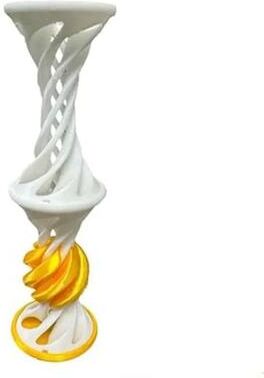
Uplift Picks Rotating 3D Printed Gear Ball Sensory Fidget Toy whiteGive restless hands an engaging way to stay occupied during quiet moments. This gear ball fidget toy features interlocking parts that rotate together for satisfying visual and tactile movement. Its rounded 3D printed form is compact enough for a...25,48 $*Shipping: 0,00 $Secure redirect to the provider
-
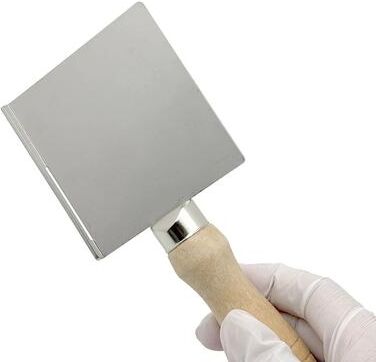
Uplifted Finds Professional Dental Wax Shovel And Hot Spade For Oral Full Denture Processing Lab Tools bCommand ultimate technical confidence with this Dental Wax Shovel set, a highperformance lab solution specifically engineered to act as a comprehensive tool for elite organization and superior technical ergonomics. Built with a robust stainless...72,97 $*Shipping: 0,00 $Secure redirect to the provider
-
Uplift Curations Emergency Thermal Rain Poncho Waterproof Survival Poncho Blanket For Camping Hiking Outdoor Survival Gear orangeBe ready for sudden weather changes with a lightweight protective layer designed for emergencies. This thermal rain poncho combines the function of a waterproof raincoat and an insulating blanket to help keep you warm and dry in harsh outdoor...57,50 $*Shipping: 0,00 $Secure redirect to the provider


-
What are sensory cells, sensory organs, and senses?
Sensory cells are specialized cells that detect and respond to specific stimuli, such as light, sound, touch, taste, and smell. These cells are found in sensory organs, which are structures in the body that contain sensory cells and are responsible for detecting and transmitting sensory information to the brain. The senses, on the other hand, are the physiological capacities of organisms that provide data for perception. They include sight, hearing, touch, taste, and smell, and are essential for experiencing and interacting with the environment. **
-
What is the difference between a primary sensory cell, a secondary sensory cell, and a sensory nerve cell?
Primary sensory cells are specialized cells that directly detect stimuli from the environment, such as light, sound, or touch. Secondary sensory cells receive signals from primary sensory cells and transmit them to the central nervous system. Sensory nerve cells, also known as sensory neurons, are responsible for transmitting the signals from secondary sensory cells to the brain, where they are processed and interpreted. In summary, primary sensory cells detect stimuli, secondary sensory cells relay the signals, and sensory nerve cells transmit the signals to the brain for processing. **
-
Are receptors sensory cells?
Receptors are not sensory cells themselves, but they are specialized proteins located on the surface of sensory cells. These receptors are responsible for detecting and responding to specific stimuli, such as light, sound, taste, or smell. When a receptor is activated by a stimulus, it triggers a series of biochemical reactions within the sensory cell, ultimately leading to the generation of a sensory signal that can be transmitted to the brain for processing. Therefore, while receptors are not sensory cells, they play a crucial role in the sensory process by detecting and transducing stimuli into neural signals. **
-
What is sensory perception?
Sensory perception refers to the process of receiving and interpreting information from the environment through the senses. This includes the five main senses of sight, hearing, touch, taste, and smell, as well as other sensory experiences such as balance, proprioception, and temperature. The brain then processes this sensory information to create a perception of the world around us, allowing us to interact with and understand our surroundings. Sensory perception is essential for everyday functioning and plays a crucial role in how we experience and navigate the world. **


How does sensory development progress?
Sensory development progresses through a series of stages, beginning with basic sensory experiences such as touch, taste, and smell in infancy. As children grow, they develop more refined sensory abilities, such as improved vision and hearing, and begin to integrate sensory information to make sense of their environment. This process continues into adolescence and adulthood, with individuals becoming more adept at interpreting and responding to sensory stimuli. Overall, sensory development progresses from basic sensory experiences to more complex and integrated sensory abilities as individuals mature. **
What are artificial sensory organs?
Artificial sensory organs are devices designed to mimic the functions of natural sensory organs, such as the eyes, ears, and skin. These devices use advanced technology to detect and process sensory information, allowing individuals to perceive and interact with their environment in a way that is similar to natural sensory organs. Artificial sensory organs have the potential to enhance or restore sensory capabilities for individuals with disabilities, as well as to provide new sensory experiences for people without impairments. These technologies have the potential to revolutionize healthcare and human-computer interaction. **
Top-Angebote
Products related to Sensory processing:
-
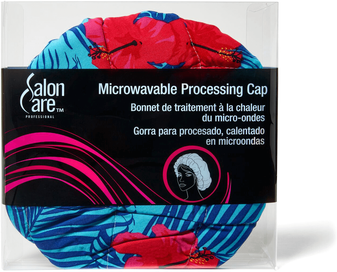
Salon Care Microwavable Heat Processing CapSalon Care Microwavable Heat Processing Cap just needs to be heated in the microwave, no cord, no fuss! The filling is 100% flaxseed and will hold heat for up to 30 minutes. The cap is reusable time and time again. Use with any hair treatment that...21,99 $*Shipping: 0,00 $Secure redirect to the provider
-
Inspire Daily Merch Windproof Camping Stove Shield Outdoor BBQ & Firewood Cooking Windbreak For Camping, Hiking, And BBQ Gear Windproof Camping Stove Shield Outdoor BBQ & Firewood Cooking Windbreak For Camping, Hiking, And BBQ GearPrepare for your outdoor adventure with our Windproof Camping Stove Shield. Designed to protect your fire from the elements, this lightweight, durable windscreen ensures consistent heat, making it an essential piece of camping gear. Perfect for BBQ...64,97 $*Shipping: 0,00 $Secure redirect to the provider
-
Multisell Products Hub Waterproof Compass Watch With Luminous Dial For Hiking Camping Survival Gear Waterproof Compass Watch With Luminous Dial For Hiking Camping Survival GearWhen youre out in the wild, confidence comes from knowing your direction at all times. This compass watch combines rugged reliability with everyday wearability, giving adventurers a simple yet powerful navigation tool right on their wrist. Designed...44,97 $*Shipping: 0,00 $Secure redirect to the provider
-
Uplift Picks Rotating 3D Printed Gear Ball Sensory Fidget Toy whiteGive restless hands an engaging way to stay occupied during quiet moments. This gear ball fidget toy features interlocking parts that rotate together for satisfying visual and tactile movement. Its rounded 3D printed form is compact enough for a...25,48 $*Shipping: 0,00 $Secure redirect to the provider
-
What is a sensory processing disorder?
A sensory processing disorder is a condition in which the brain has difficulty receiving and responding to information that comes in through the senses. This can result in an individual being over-sensitive or under-sensitive to sensory input, leading to difficulties in regulating emotions, behavior, and responses to stimuli. People with sensory processing disorders may have challenges with everyday activities and may benefit from therapy and interventions to help them better process sensory information. **
-
Does anyone know about sensory processing issues in autism and know where to find information about it?
Yes, sensory processing issues are common in individuals with autism. These issues can involve heightened sensitivity or decreased sensitivity to sensory stimuli such as touch, sound, taste, or smell. To find more information about sensory processing issues in autism, you can consult reputable sources such as the Autism Society, Autism Speaks, or the Sensory Processing Disorder Foundation. Additionally, speaking with healthcare professionals or therapists who specialize in autism and sensory processing can provide valuable insights and resources. **
-
What are sensory cells, sensory organs, and senses?
Sensory cells are specialized cells that detect and respond to specific stimuli, such as light, sound, touch, taste, and smell. These cells are found in sensory organs, which are structures in the body that contain sensory cells and are responsible for detecting and transmitting sensory information to the brain. The senses, on the other hand, are the physiological capacities of organisms that provide data for perception. They include sight, hearing, touch, taste, and smell, and are essential for experiencing and interacting with the environment. **
-
What is the difference between a primary sensory cell, a secondary sensory cell, and a sensory nerve cell?
Primary sensory cells are specialized cells that directly detect stimuli from the environment, such as light, sound, or touch. Secondary sensory cells receive signals from primary sensory cells and transmit them to the central nervous system. Sensory nerve cells, also known as sensory neurons, are responsible for transmitting the signals from secondary sensory cells to the brain, where they are processed and interpreted. In summary, primary sensory cells detect stimuli, secondary sensory cells relay the signals, and sensory nerve cells transmit the signals to the brain for processing. **
Similar search terms for Sensory processing
-
Uplifted Finds Professional Dental Wax Shovel And Hot Spade For Oral Full Denture Processing Lab Tools bCommand ultimate technical confidence with this Dental Wax Shovel set, a highperformance lab solution specifically engineered to act as a comprehensive tool for elite organization and superior technical ergonomics. Built with a robust stainless...72,97 $*Shipping: 0,00 $Secure redirect to the provider
-
Uplift Curations Emergency Thermal Rain Poncho Waterproof Survival Poncho Blanket For Camping Hiking Outdoor Survival Gear orangeBe ready for sudden weather changes with a lightweight protective layer designed for emergencies. This thermal rain poncho combines the function of a waterproof raincoat and an insulating blanket to help keep you warm and dry in harsh outdoor...57,50 $*Shipping: 0,00 $Secure redirect to the provider
-
Uplift Picks Rotating 3D Printed Gear Ball Sensory Fidget Toy purpleGive restless hands an engaging way to stay occupied during quiet moments. This gear ball fidget toy features interlocking parts that rotate together for satisfying visual and tactile movement. Its rounded 3D printed form is compact enough for a...25,48 $*Shipping: 0,00 $Secure redirect to the provider
-
Uplift Picks Rotating 3D Printed Gear Ball Sensory Fidget Toy blackGive restless hands an engaging way to stay occupied during quiet moments. This gear ball fidget toy features interlocking parts that rotate together for satisfying visual and tactile movement. Its rounded 3D printed form is compact enough for a...25,48 $*Shipping: 0,00 $Secure redirect to the provider
-
Are receptors sensory cells?
Receptors are not sensory cells themselves, but they are specialized proteins located on the surface of sensory cells. These receptors are responsible for detecting and responding to specific stimuli, such as light, sound, taste, or smell. When a receptor is activated by a stimulus, it triggers a series of biochemical reactions within the sensory cell, ultimately leading to the generation of a sensory signal that can be transmitted to the brain for processing. Therefore, while receptors are not sensory cells, they play a crucial role in the sensory process by detecting and transducing stimuli into neural signals. **
-
What is sensory perception?
Sensory perception refers to the process of receiving and interpreting information from the environment through the senses. This includes the five main senses of sight, hearing, touch, taste, and smell, as well as other sensory experiences such as balance, proprioception, and temperature. The brain then processes this sensory information to create a perception of the world around us, allowing us to interact with and understand our surroundings. Sensory perception is essential for everyday functioning and plays a crucial role in how we experience and navigate the world. **
-
How does sensory development progress?
Sensory development progresses through a series of stages, beginning with basic sensory experiences such as touch, taste, and smell in infancy. As children grow, they develop more refined sensory abilities, such as improved vision and hearing, and begin to integrate sensory information to make sense of their environment. This process continues into adolescence and adulthood, with individuals becoming more adept at interpreting and responding to sensory stimuli. Overall, sensory development progresses from basic sensory experiences to more complex and integrated sensory abilities as individuals mature. **
-
What are artificial sensory organs?
Artificial sensory organs are devices designed to mimic the functions of natural sensory organs, such as the eyes, ears, and skin. These devices use advanced technology to detect and process sensory information, allowing individuals to perceive and interact with their environment in a way that is similar to natural sensory organs. Artificial sensory organs have the potential to enhance or restore sensory capabilities for individuals with disabilities, as well as to provide new sensory experiences for people without impairments. These technologies have the potential to revolutionize healthcare and human-computer interaction. **
* All prices are inclusive of VAT and, if applicable, plus shipping costs. The offer information is based on the details provided by the respective shop and is updated through automated processes. Real-time updates do not occur, so deviations can occur in individual cases. ** Note: Parts of this content were created by AI.